Choosing Your Perfect Exotic Pet: A Guide
- Jonathan Vargas
- Nov 29, 2025
- 4 min read

When it comes to pets, many people think of cats and dogs as the only options. However, the world of exotic pets is vast and fascinating, offering a variety of unique animals that can bring joy and companionship into your life. Choosing the right exotic pet requires careful consideration of your lifestyle, preferences, and the specific needs of the animal. This guide will help you navigate the exciting journey of selecting your perfect exotic pet.

Understanding Exotic Pets
Exotic pets are defined as animals that are not typically kept as household pets. This category includes a wide range of species, from reptiles and birds to small mammals and even some fish. Each type of exotic pet comes with its own set of requirements and characteristics, making it essential to research thoroughly before making a decision.
Common Types of Exotic Pets
Reptiles
Snakes: Popular choices include ball pythons and corn snakes. They require specific temperature and humidity levels.
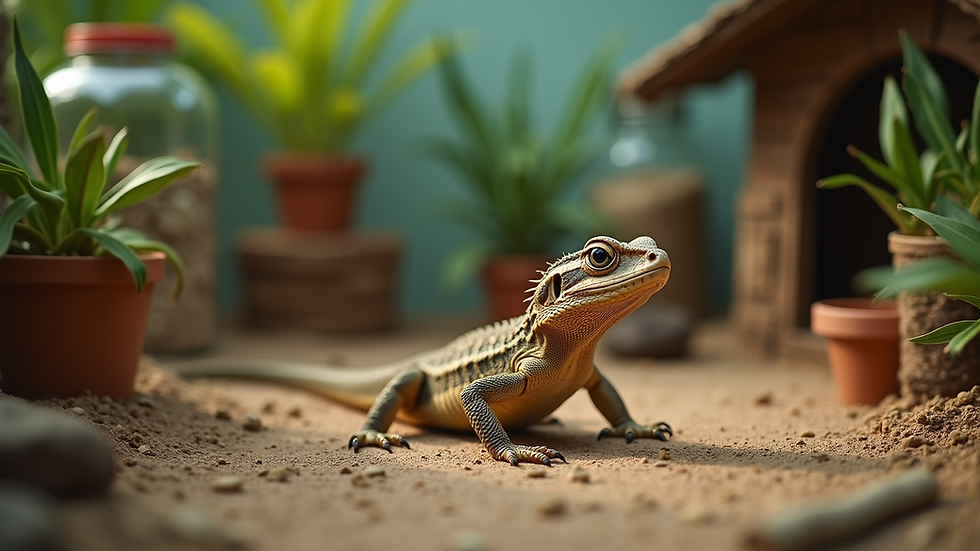
Lizards: Bearded dragons and geckos are friendly and relatively easy to care for.
Turtles: Aquatic and terrestrial turtles can be rewarding but need proper habitats and diets.
Birds
Parrots: Known for their intelligence and ability to mimic sounds, parrots require social interaction and mental stimulation.
Canaries and Finches: These smaller birds are easier to care for and can be kept in pairs or small groups.
Small Mammals
Ferrets: Playful and curious, ferrets need plenty of space to explore and play.
Rabbits: Social animals that require companionship and a safe environment to thrive.
Fish
Tropical Fish: Colorful and diverse, tropical fish can create a stunning aquarium but require careful water management.
Koi: These larger fish can live for decades and need a pond environment.
Legal Considerations
Before choosing an exotic pet, it is crucial to check local laws and regulations. Some species may be illegal to own in certain areas, while others may require permits. Understanding these legalities will help you avoid potential issues down the line.
Assessing Your Lifestyle
Choosing an exotic pet is not just about preference; it’s also about compatibility with your lifestyle. Here are some factors to consider:
Time Commitment
Exotic pets often require more time and attention than traditional pets. For example, reptiles may need specific feeding schedules and habitat maintenance, while birds require daily interaction to stay healthy and happy. Assess how much time you can realistically dedicate to your pet.
Space Requirements
Consider the space available in your home. Larger animals, like iguanas or parrots, need ample room to move around, while smaller pets may only require a cage or tank. Ensure that your living situation can accommodate the needs of your chosen pet.
Financial Responsibility
Exotic pets can come with significant costs, including habitat setup, food, and veterinary care. Research the ongoing expenses associated with your desired pet to ensure you can provide for its needs.
Researching Specific Species
Once you have a clear understanding of your lifestyle and the type of exotic pet you are interested in, it’s time to dive deeper into specific species. Here are some popular exotic pets and their unique characteristics:
Bearded Dragon
Bearded dragons are friendly lizards that enjoy human interaction. They require a spacious enclosure with proper heating and lighting. Their diet consists of insects and vegetables, making them relatively easy to feed.
African Grey Parrot
Known for their exceptional intelligence, African grey parrots can learn a wide range of words and phrases. They thrive on social interaction and mental stimulation, so be prepared to spend time engaging with them daily.
Hedgehog
Hedgehogs are small, nocturnal mammals that can make great pets for those who enjoy unique animals. They require a secure habitat and a diet of high-quality cat food and insects. Hedgehogs are generally low-maintenance but need regular handling to become socialized.
Sugar Glider
These small marsupials are known for their playful nature and ability to glide through the air. Sugar gliders require a spacious cage and a diet that includes fruits, vegetables, and protein sources. They are social animals and thrive in pairs or small groups.
Preparing Your Home
Before bringing your exotic pet home, it’s essential to prepare your living space. Here are some tips to create a welcoming environment:
Habitat Setup
Each type of exotic pet has specific habitat requirements. Research the ideal setup for your chosen species, including:
Temperature and Humidity: Many reptiles require specific temperature gradients and humidity levels.
Enclosure Size: Ensure the enclosure is spacious enough for your pet to move around comfortably.
Bedding and Decor: Use appropriate bedding materials and provide hiding spots or climbing structures.
Safety Considerations
Make your home safe for your new pet by removing any hazards. This includes securing loose wires, removing toxic plants, and ensuring that small objects that could be swallowed are out of reach.
Caring for Your Exotic Pet
Once your exotic pet is home, it’s crucial to provide proper care. Here are some essential aspects to consider:
Diet and Nutrition
Research the dietary needs of your pet to ensure it receives a balanced diet. Many exotic pets require specific types of food, such as live insects for reptiles or specialized pellets for birds.
Regular Veterinary Care
Just like traditional pets, exotic pets need regular veterinary check-ups. Find a veterinarian who specializes in exotic animals to ensure your pet receives the best care possible.
Social Interaction and Enrichment
Many exotic pets thrive on social interaction and mental stimulation. Spend time playing with your pet, providing toys, and creating an enriching environment to keep them happy and healthy.
Conclusion
Choosing an exotic pet can be a rewarding experience, but it requires careful consideration and preparation. By understanding the needs of different species, assessing your lifestyle, and creating a suitable environment, you can find the perfect companion that fits your unique situation. Remember to do thorough research and consult with experts to ensure you are ready for the commitment of caring for an exotic pet. Embrace the adventure and enjoy the companionship that comes with your new exotic friend!

Comments