Essential Supplies for Reptiles and Birds
- Jonathan Vargas
- Nov 29, 2025
- 3 min read

Creating a comfortable and safe environment for your reptiles and birds is crucial for their health and well-being. Whether you are a seasoned pet owner or a newcomer to the world of exotic pets, understanding the essential supplies needed for these animals can make a significant difference in their quality of life. This guide will walk you through the must-have supplies for both reptiles and birds, ensuring that you are well-prepared to provide the best care for your feathered and scaly friends.
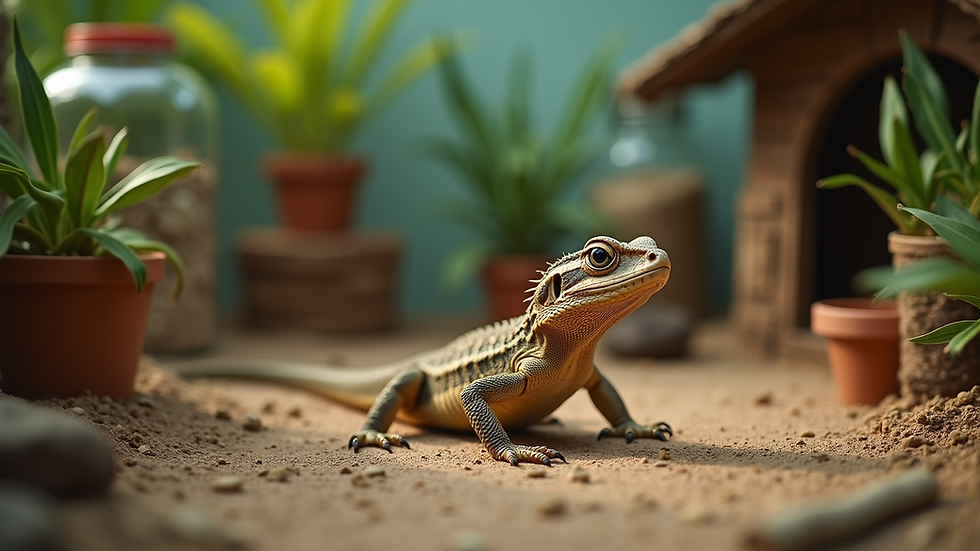
Understanding the Needs of Reptiles
Reptiles are unique creatures that require specific conditions to thrive. Here are some essential supplies you should consider when setting up a habitat for your reptile.
1. Enclosure
The type of enclosure you choose will depend on the species of reptile you have. Common options include:
Glass Terrariums: Ideal for snakes and lizards, providing visibility and ventilation.
Plastic Tubs: Suitable for smaller reptiles or temporary housing.
Wooden Cages: Best for larger reptiles that require more space.
2. Heating and Lighting
Reptiles are ectothermic, meaning they rely on external heat sources to regulate their body temperature. Essential heating and lighting supplies include:
Heat Lamps: Provide basking spots for reptiles to warm up.
UVB Lighting: Crucial for reptiles like turtles and iguanas to synthesize vitamin D3 and absorb calcium.
3. Substrate
Choosing the right substrate is vital for your reptile's health. Options include:
Coconut Fiber: Retains moisture and is suitable for tropical species.
Reptile Carpet: Easy to clean and prevents impaction in smaller reptiles.
Sand: Only suitable for certain species, as it can cause health issues if ingested.
4. Hiding Spots and Climbing Structures
Reptiles need places to hide and explore. Consider adding:
Caves and Rocks: Provide shelter and security.
Branches and Vines: Allow climbing and exercise, especially for arboreal species.
5. Water and Food Dishes
Ensure your reptile has access to clean water and appropriate food. Look for:
Shallow Water Dishes: Easy for reptiles to access without drowning.
Feeding Dishes: Keep food contained and prevent contamination.
Essential Supplies for Birds
Birds also have specific needs that must be met to ensure their happiness and health. Here are the key supplies you should have for your avian companions.
1. Cage
The cage is the most important part of a bird's environment. Consider the following:
Size: Ensure the cage is spacious enough for your bird to move around comfortably.
Bar Spacing: Choose a cage with appropriate bar spacing to prevent escapes or injuries.
2. Perches
Birds need perches of varying sizes and textures to keep their feet healthy. Options include:
Natural Wood Perches: Mimic their natural environment and provide grip.
Sand Perches: Help keep nails trimmed and provide texture.
3. Toys and Enrichment
Mental stimulation is crucial for birds. Provide a variety of toys, such as:
Chew Toys: Help satisfy their natural instinct to chew.
Swinging Toys: Encourage movement and play.
4. Food and Water Supplies
Proper nutrition is essential for your bird's health. Ensure you have:
Food Bowls: Sturdy and easy to clean, with separate bowls for seeds and fresh food.
Water Bottles or Dishes: Keep water fresh and accessible.
5. Grooming Supplies
Regular grooming is necessary for birds. Consider having:
Nail Clippers: Keep their nails trimmed to prevent injury.
Bird Bath: Encourage bathing and help maintain feather health.
Creating a Safe Environment
Both reptiles and birds require a safe environment free from hazards. Here are some tips to ensure their safety:
1. Avoid Toxic Plants
Many common houseplants are toxic to reptiles and birds. Research and remove any harmful plants from your home.
2. Secure Cages and Enclosures
Ensure that all cages and enclosures are secure to prevent escapes. Check for any gaps or weak points regularly.
3. Monitor Temperature and Humidity
Both reptiles and birds have specific temperature and humidity requirements. Use thermometers and hygrometers to monitor conditions and make adjustments as needed.
Conclusion
Providing the right supplies for your reptiles and birds is essential for their health and happiness. By investing in quality enclosures, heating and lighting, and enrichment items, you can create a thriving environment for your pets. Remember to regularly assess their needs and make adjustments as necessary. With the right care and attention, your reptiles and birds will lead fulfilling lives, bringing joy and companionship to your home.
As you embark on your journey as a pet owner, keep this guide handy to ensure you have all the essential supplies for your scaly and feathered friends. Happy pet parenting!


Comments